
Commercial Photography
Commercial Photographer
Commercial Photography
Commercial Photographer
Commercial photography is the perfect way to illustrate the key points of difference within your business, in an impactful and visual way.
Using our marketing understanding and background we always start any planning for a shoot by discussing how best to demonstrate the ‘stand out’ aspects of your products or services. This understanding ensures that your people, services or products are illustrated to maximum effect.
Commercial photography often involves working with a range of people within your business. We bring a fun approach to shoots to ensure your employees relax and look natural.
We understand the fast-paced nature of business today. Our clients benefit from a fast response to short notice commercial photography requests.
Contact us today to discuss how you can benefit from our many years of commercial photography experience. Our industry experience, latest digital equipment and friendly approach will promote your services and products to maximum advantage.
Commercial photography is the perfect way to illustrate the key points of difference within your business, in an impactful and visual way.
Contact us today to discuss how you can benefit from our many years of commercial photography experience to promote your services and products to maximum advantage.
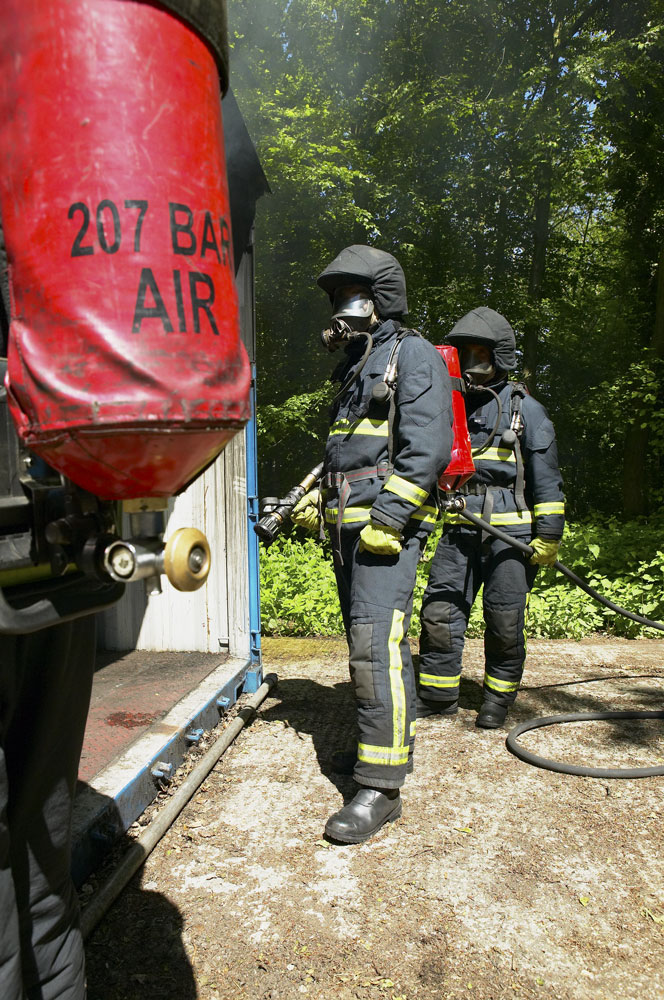
Buckinghamshire Fire Service Firebox Training | Commercial Photographer
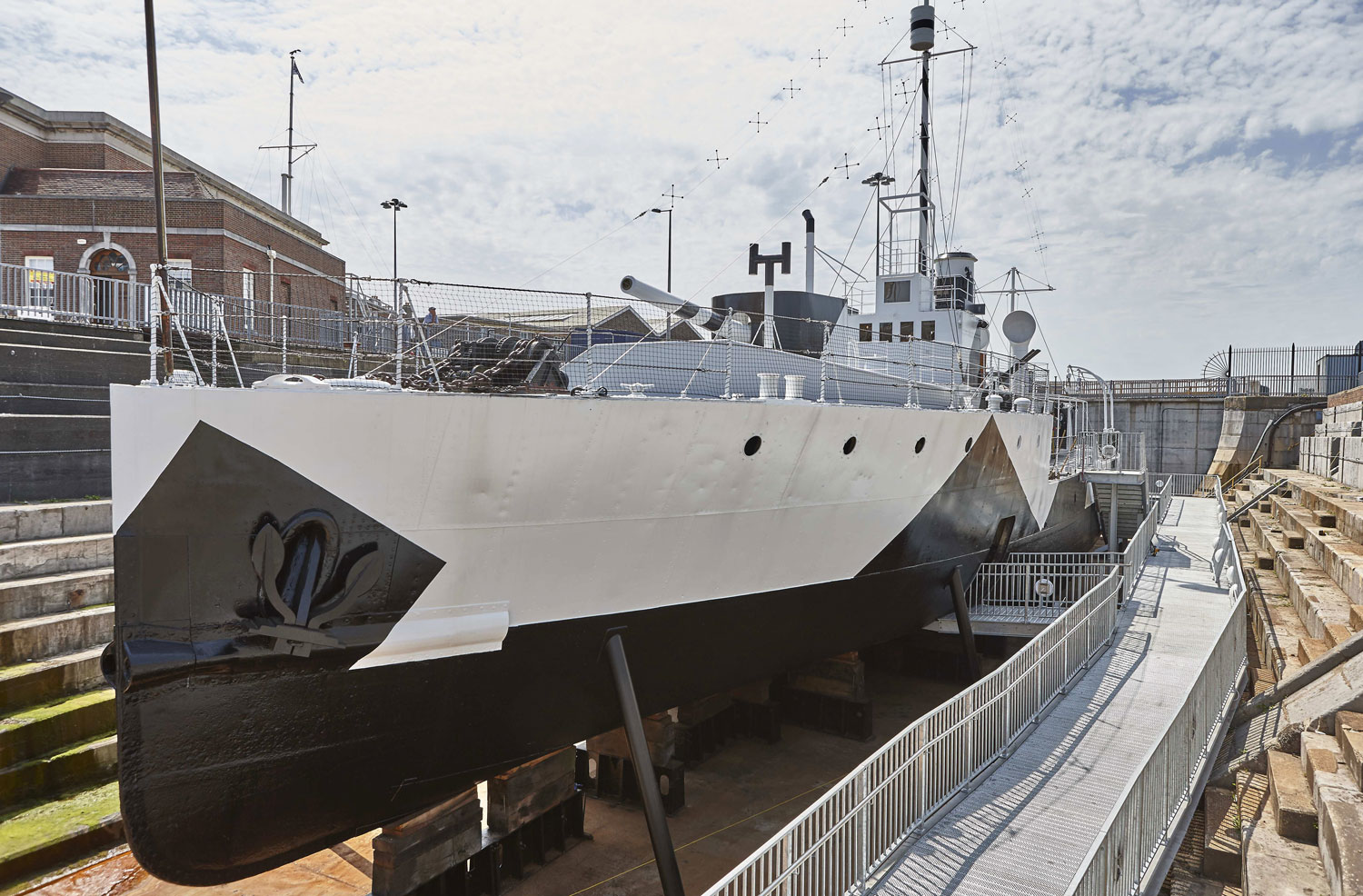
HMS M33 following conservation in Portsmouth Historic Dockyard | Commercial Photographer
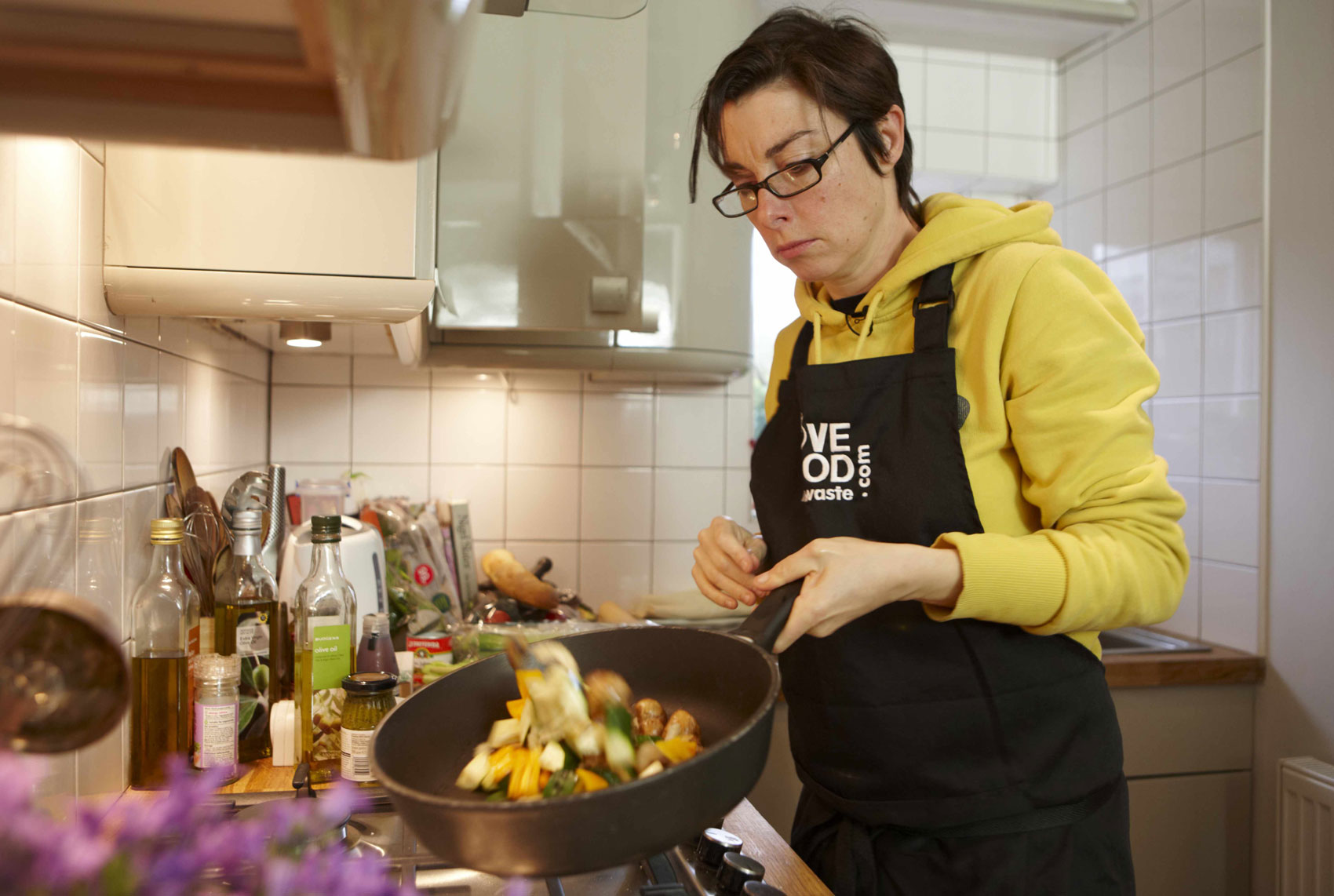
Sue Perkins – BBC celebrity presenter and former BBC Great British Bake Off host cooking at home | Commercial Photographer
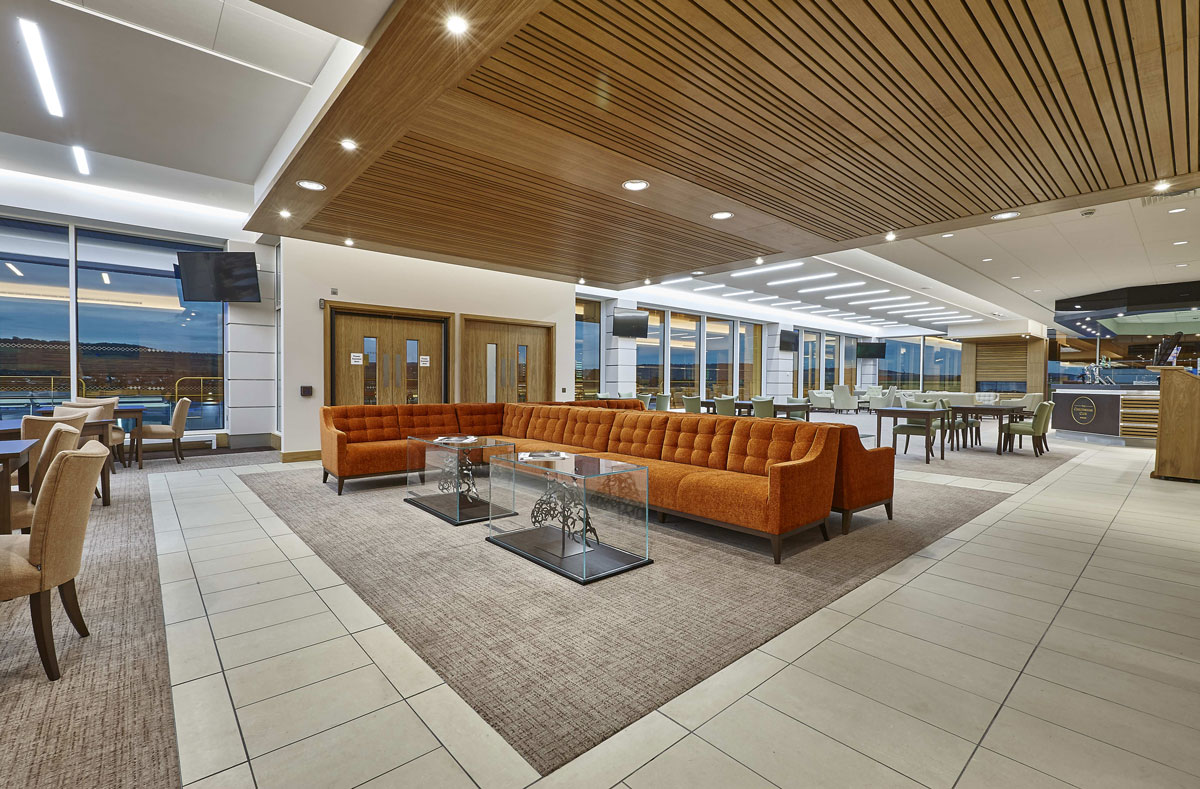
The new £45million Princess Royal Stand at Cheltenham Racecourse was completed ahead of target in 19 months. The grandstand consists of five floors covering an area of four hectares. The structure provides restaurants, private boxes, viewing facilities and bars for racegoers. The third floor has the Royal Box and eleven private boxes. On the top floor, a new departure for the Cheltenham course is a Cheltenham Club suite with luxury bar, dining and views over the Malvern and Cleeve Hills | Commercial Photographer See blog post here
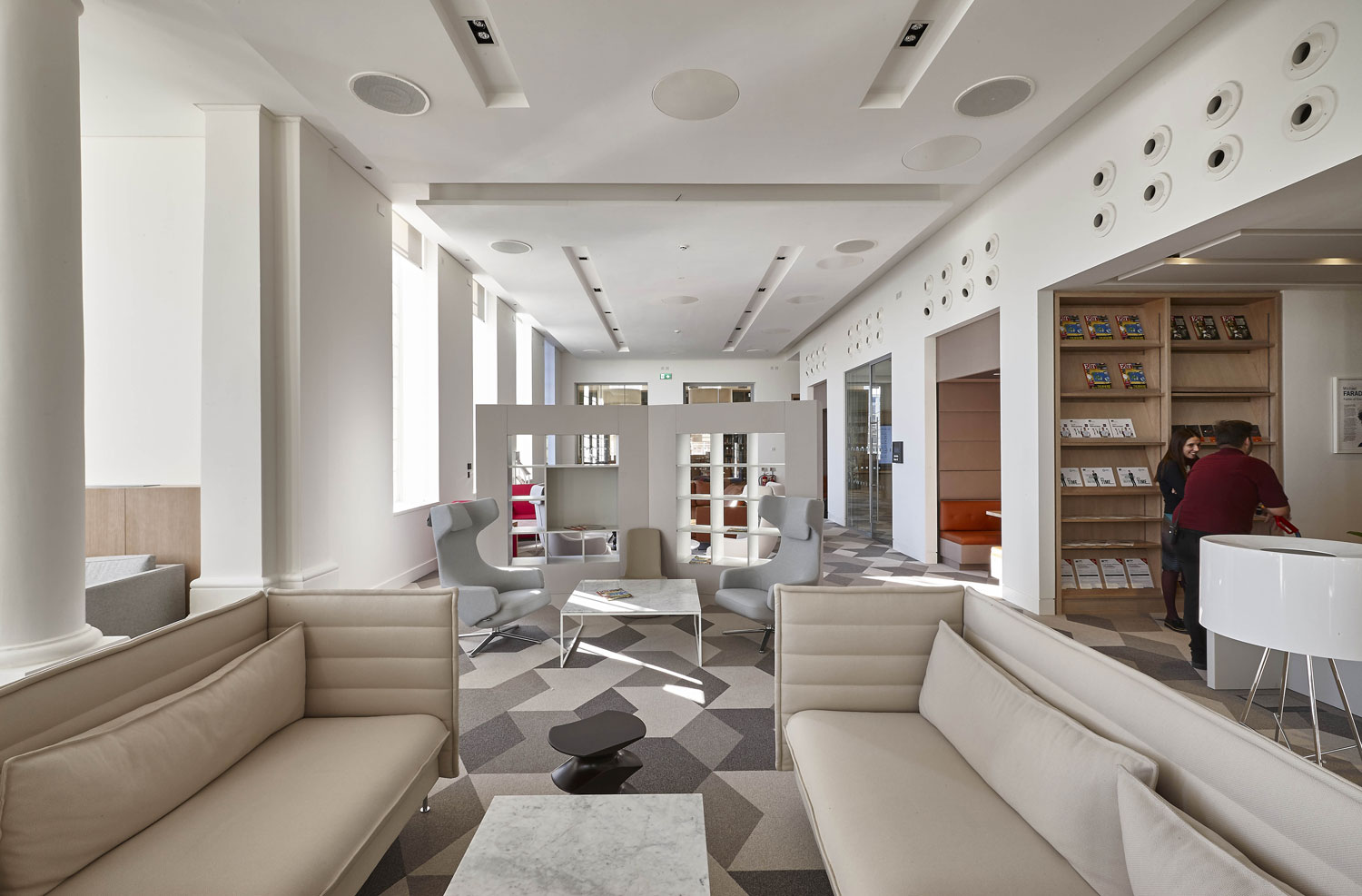
The Institute of Engineering and Technology IET at Savoy Place, London is both the meeting and research hub for members and a meeting and conference venue | Commercial Photographer See blog post here
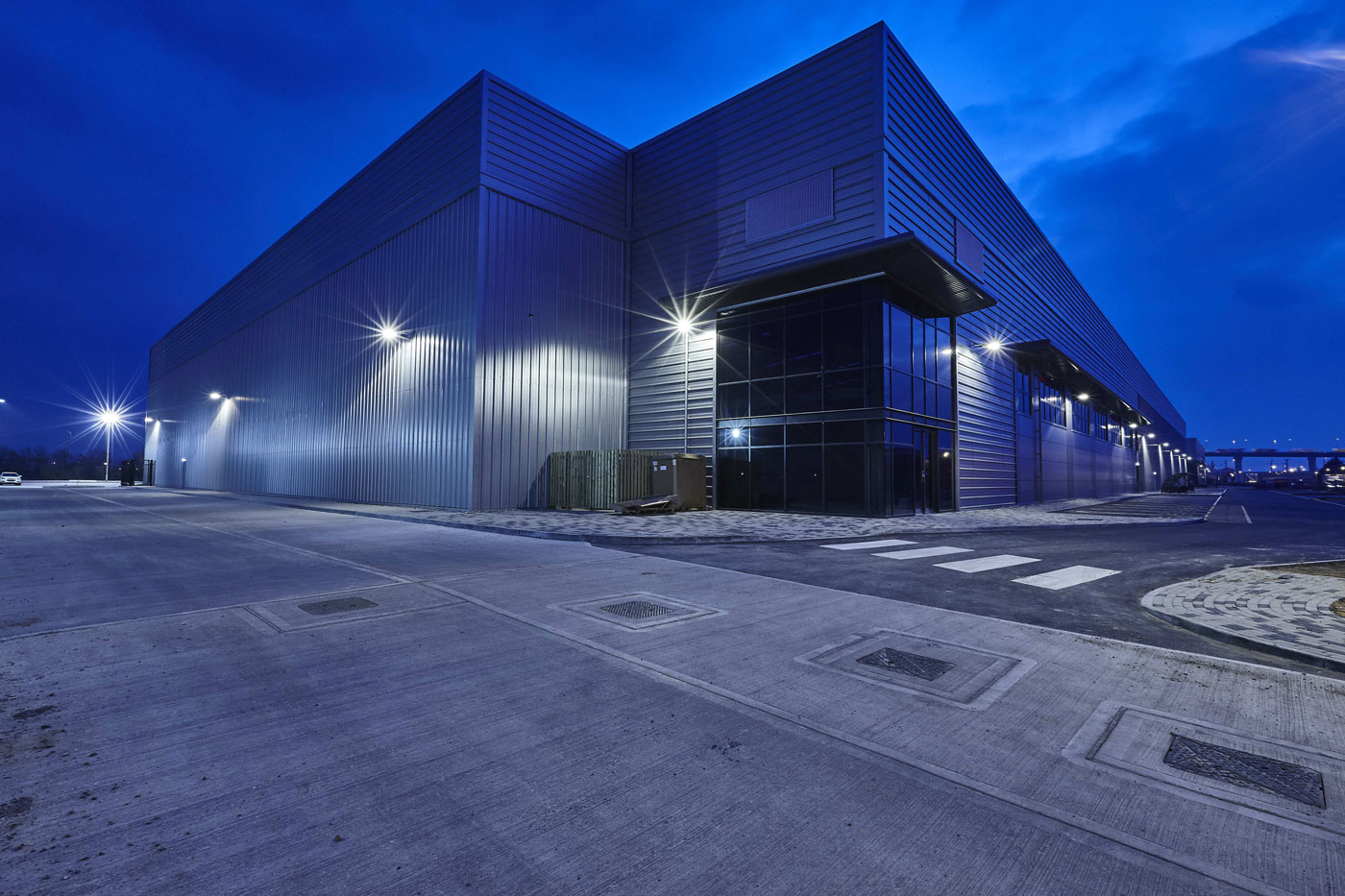
Unit 1-3 The Tower, Riverside Industrial Estate, is a speculative development in West Thurrock close to the QE2 bridge near Dartford by Bericote and Blackrock | Commercial Photographer
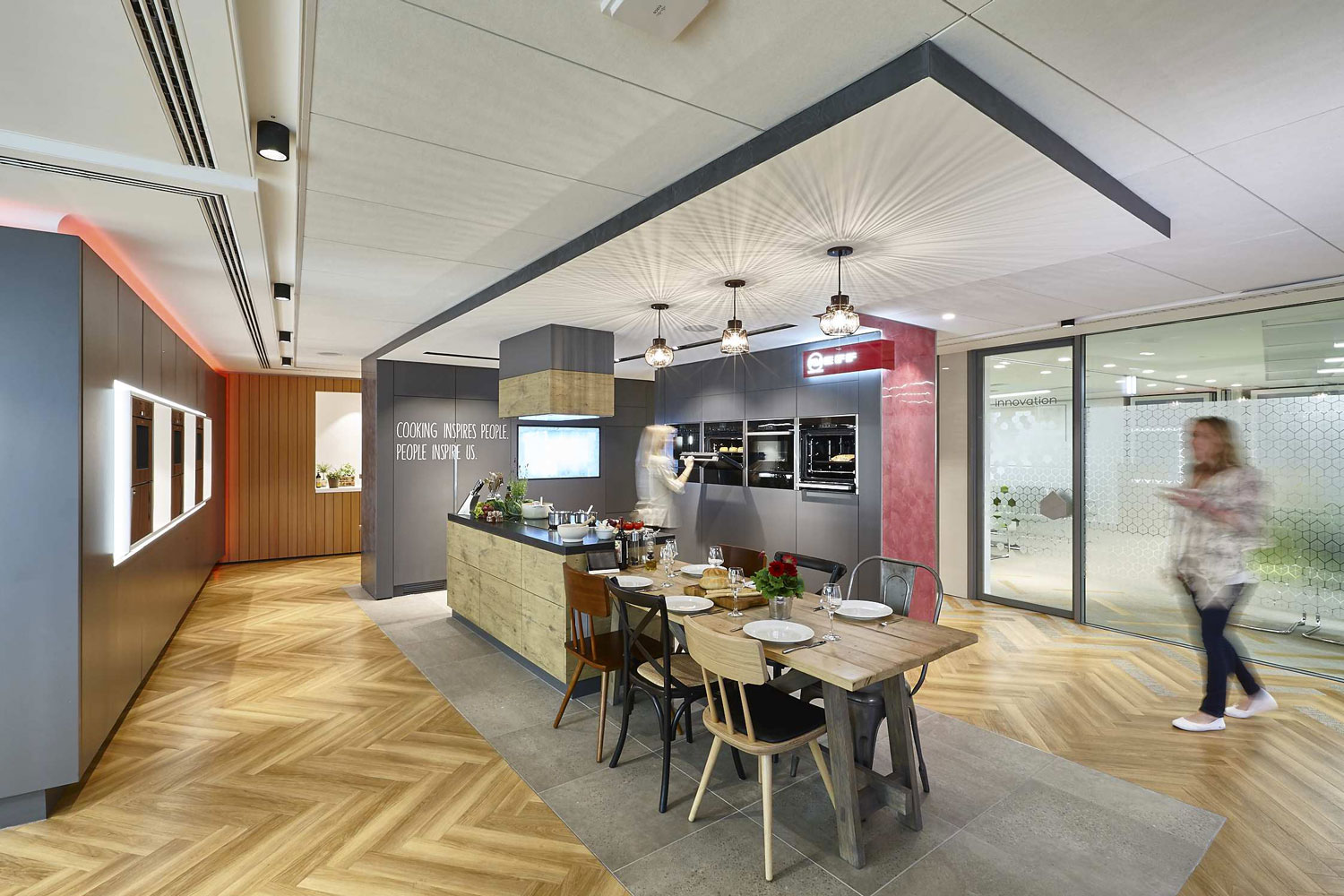
The new showroom at the Siemens Home Headquarters in Milton Keynes creates a showroom and demonstration area for trade and retail customers | Commercial Photographer
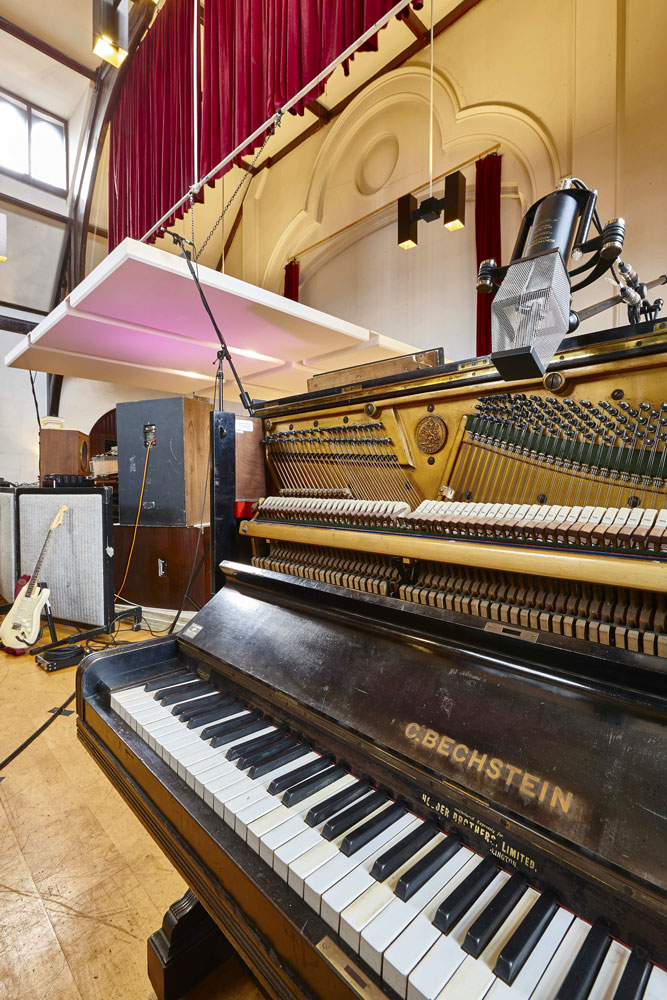
The church studio, Londonhas been transformed from the recording studio owned by Eurythmics Dave Stewart in the 80’s to a state of the art facility by award winning Paul Epworth who has recorded albums with Adele | Commercial Photographer
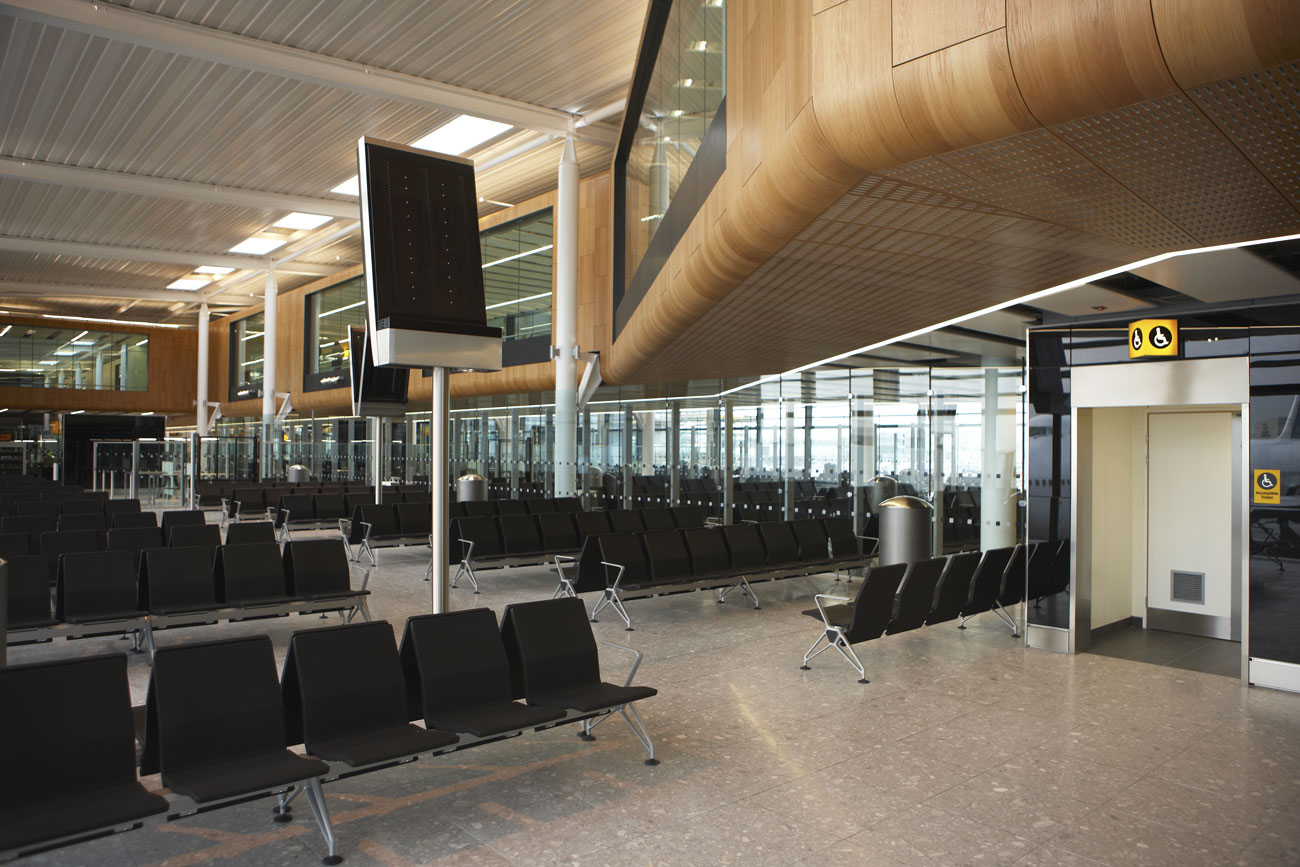
Heathrow Airport Terminal 2 seating area | Commercial Photographer

The new grandstand at Royal Ascot Racecourse was a £200 million project to entertain the 10,000 visitors to Royal Ascot | Commercial Photographer
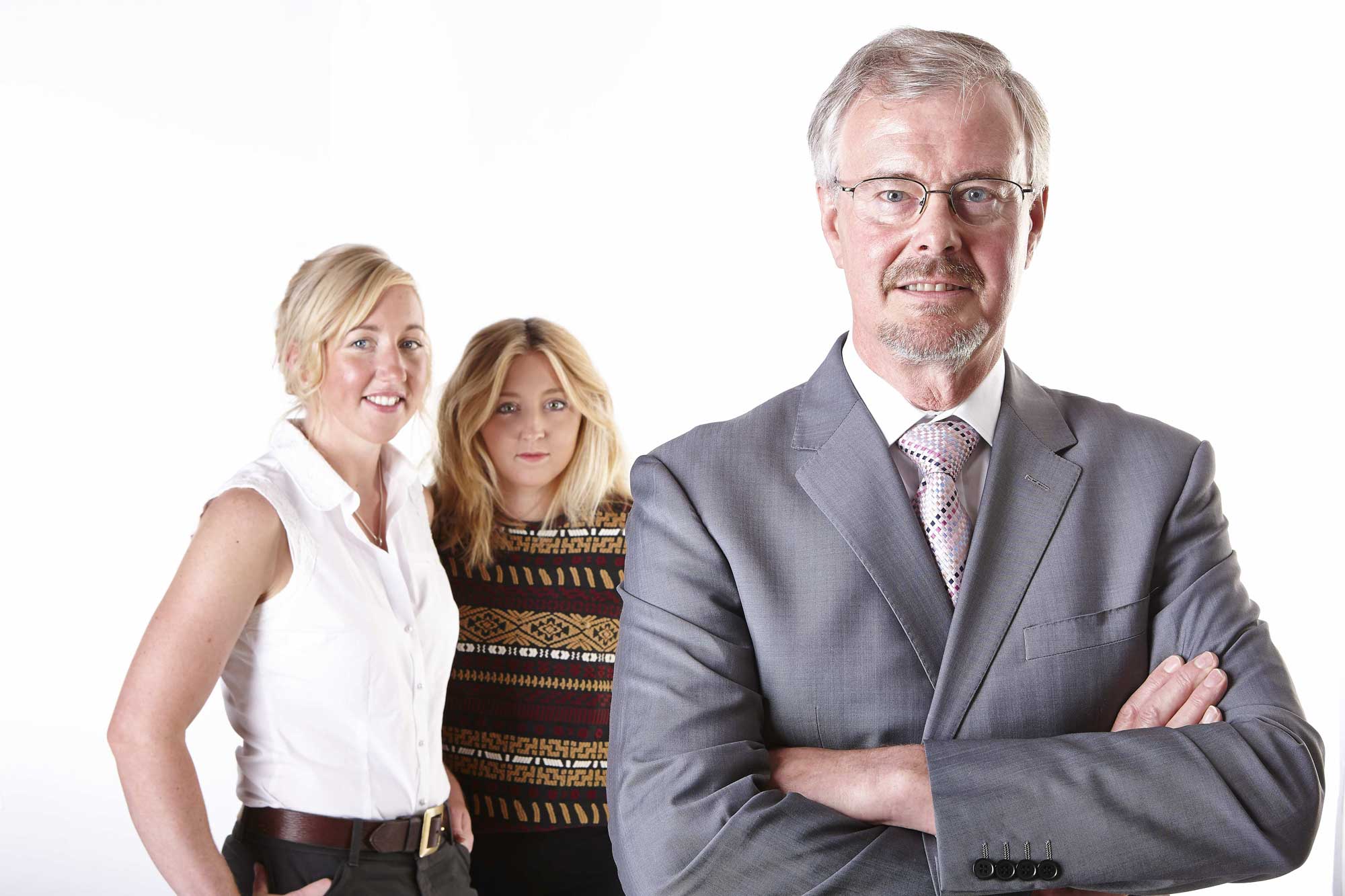
‘Meet the Team’ national campaign portraits | Commercial Photographer
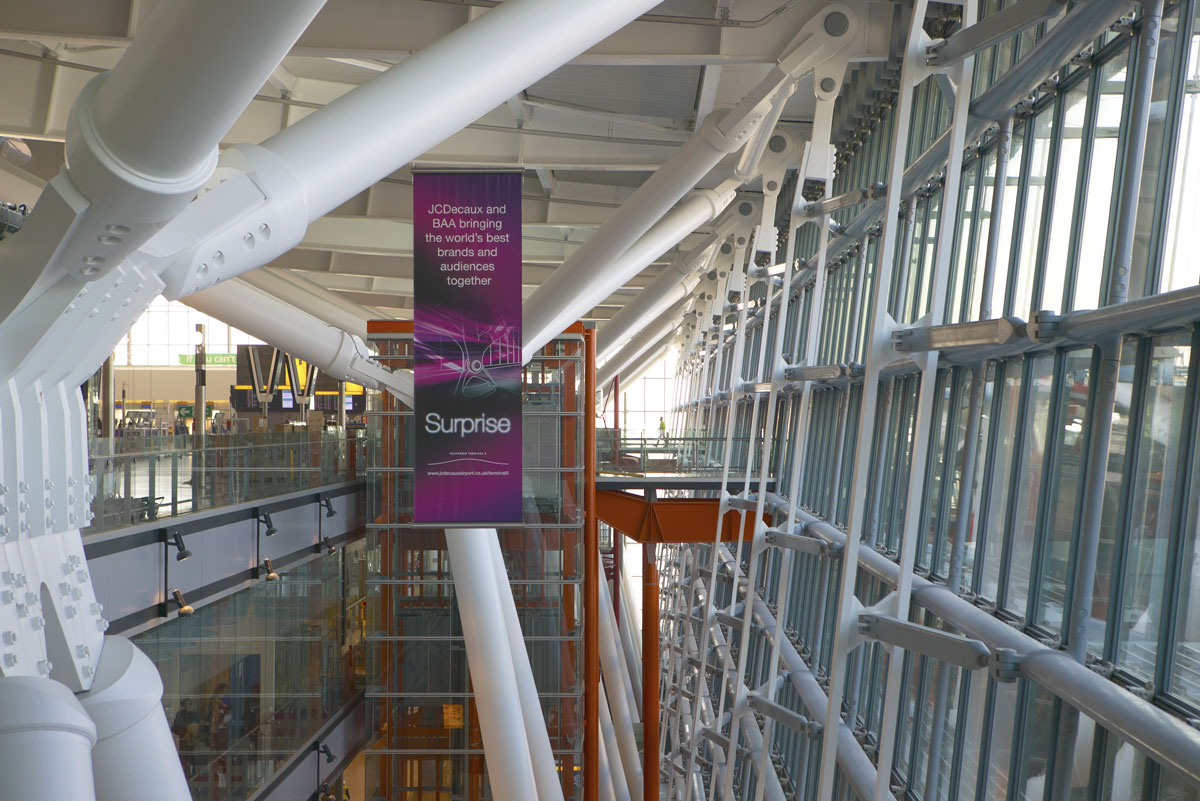
Heathrow Airport Terminal 5 glass facade steel support structure | Commercial Photographers London
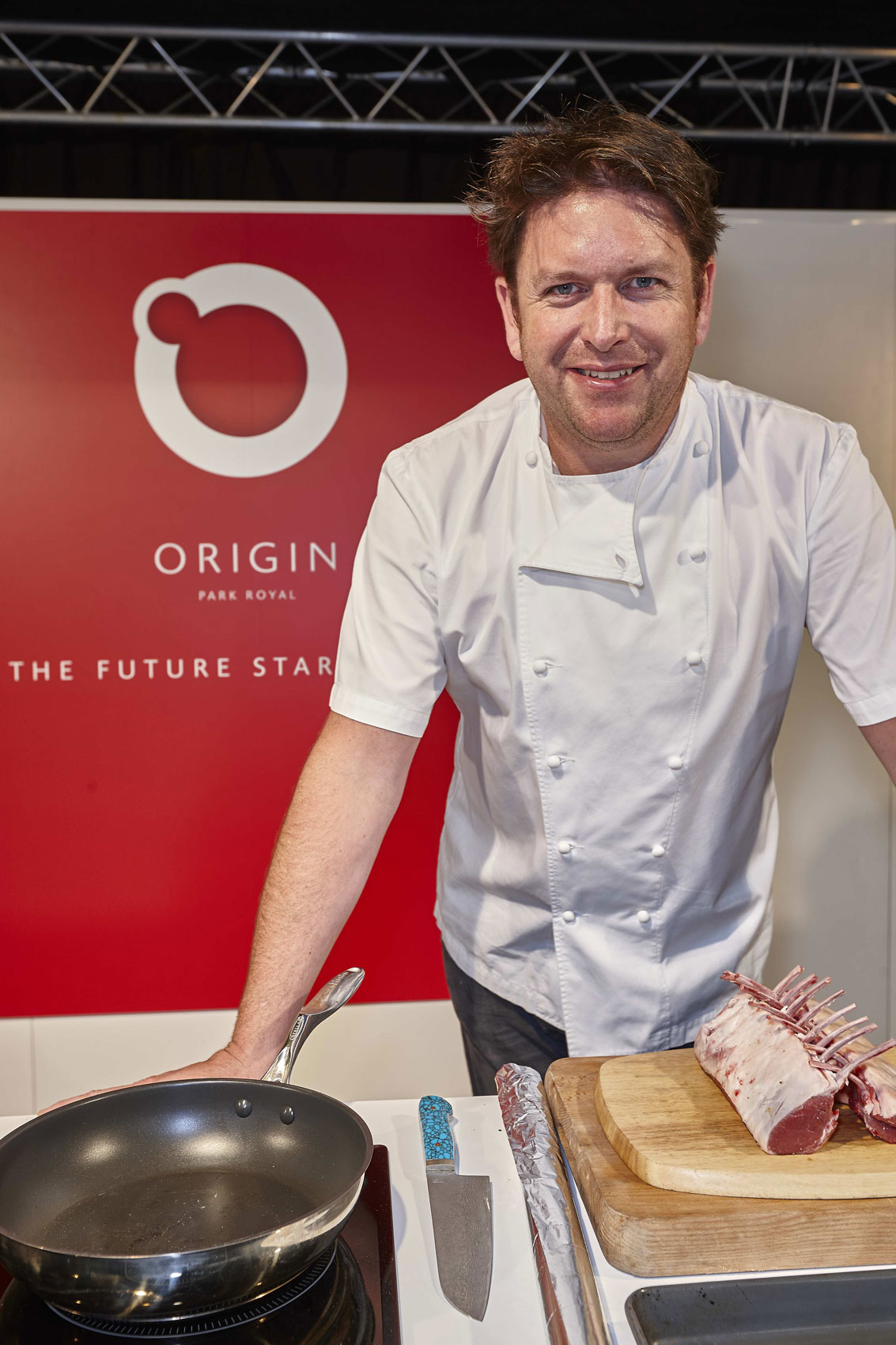
James Martin – celebrity chef performing a demonstration at a commercial property launch event | Commercial Photographer
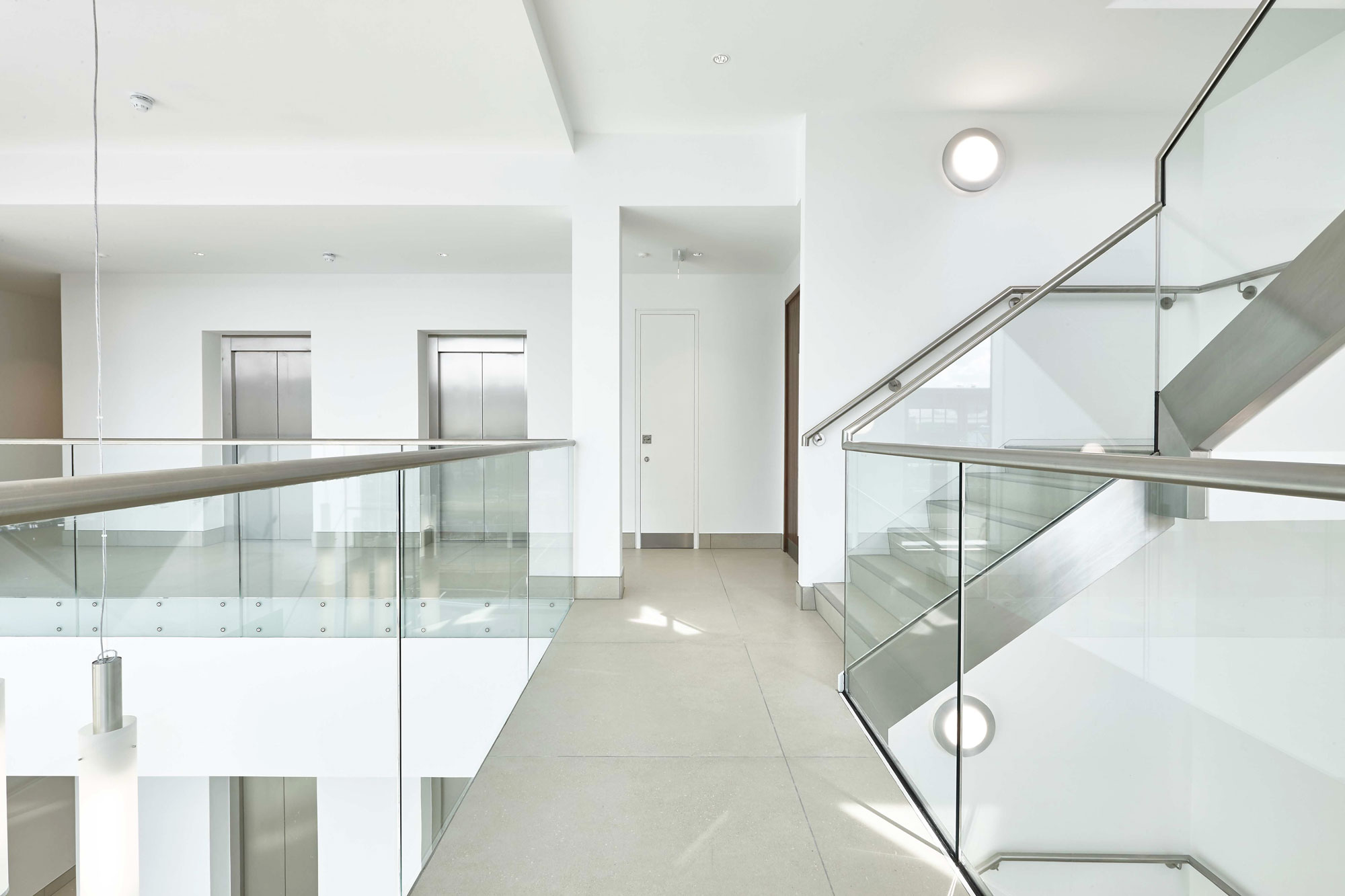
ID Maidenhead Commercial Property | Commercial Photographer
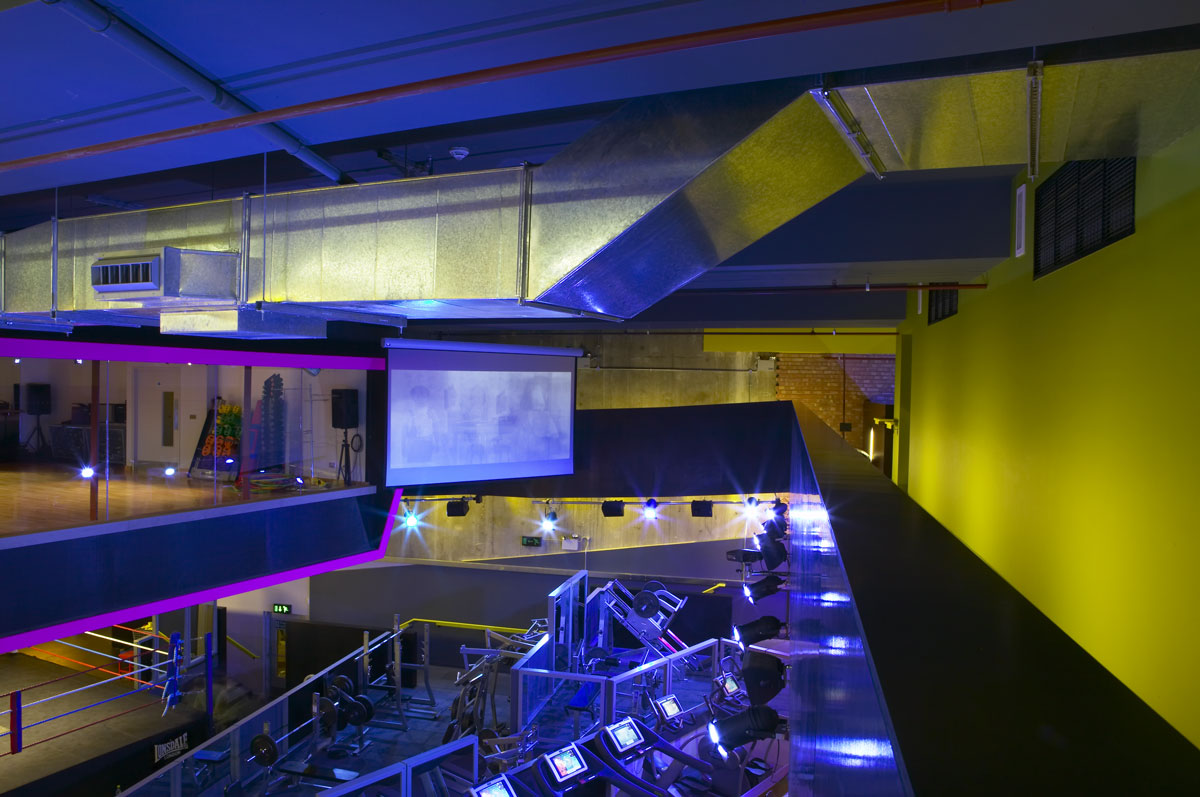
Gymbox Covent Garden started life as an underground car park. The building was converted with inspiration from the architect to the world famous Hacienda nightclub in Manchester – Ben Kelly in 2003. It was the first in a long line of Gymbox venues that can now be found in nearly every part of London. Each has Olympic sized boxing rings, combat cages, huge free weights areas and live DJ’s. | Commercial Photographer See blog post here
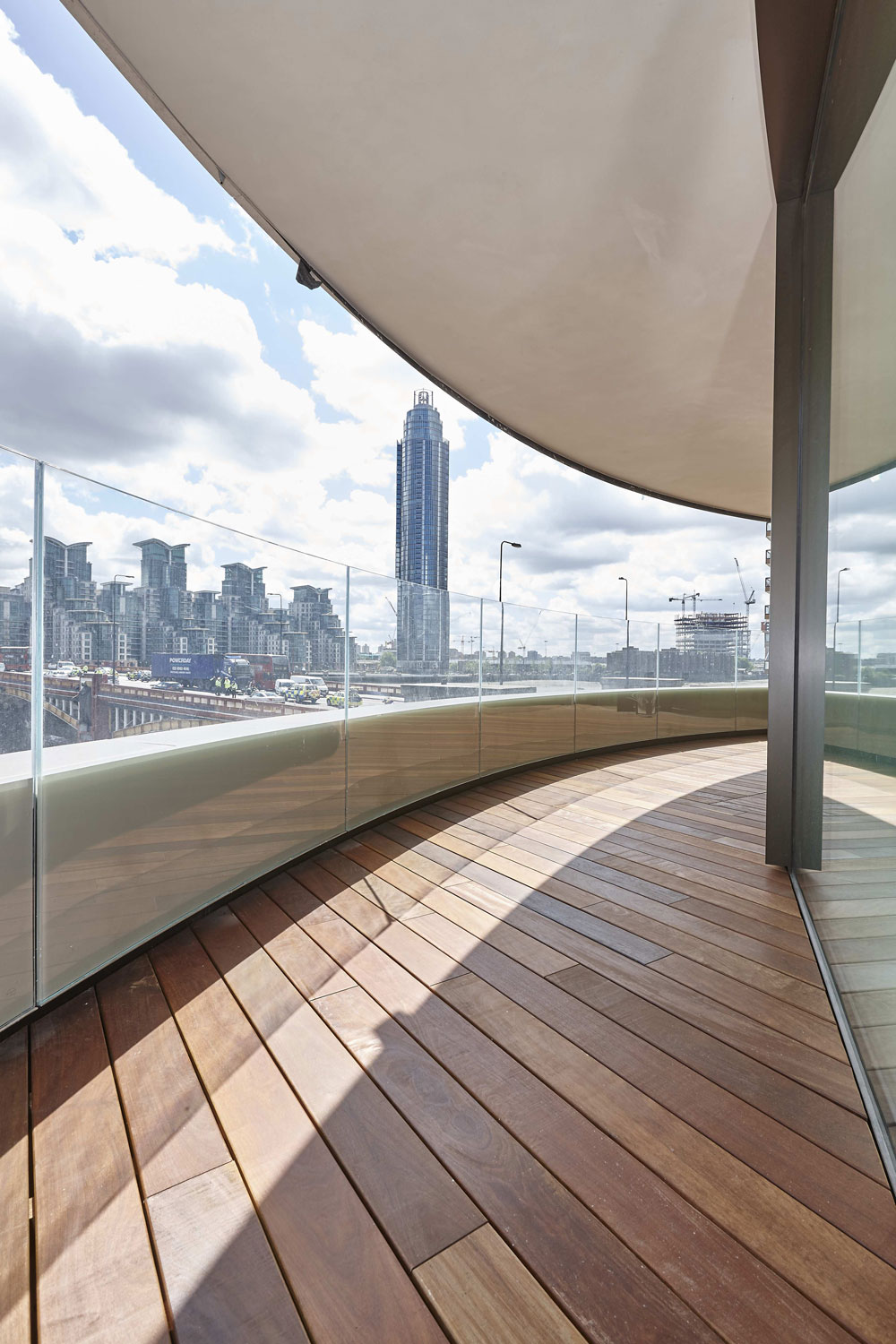
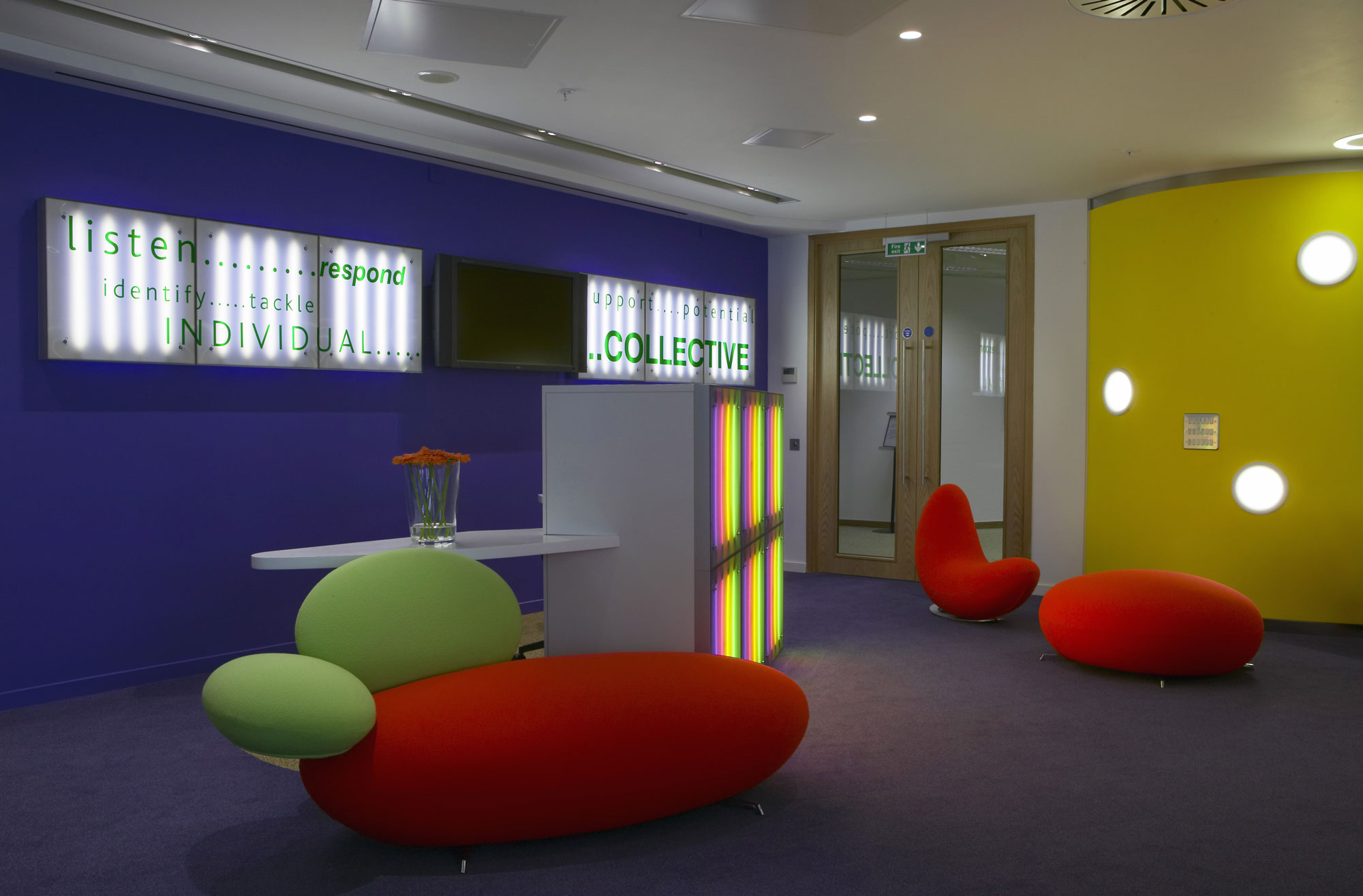
The Office of the Children’s Minister, No. 1 London Bridge, London | Commercial Photographer
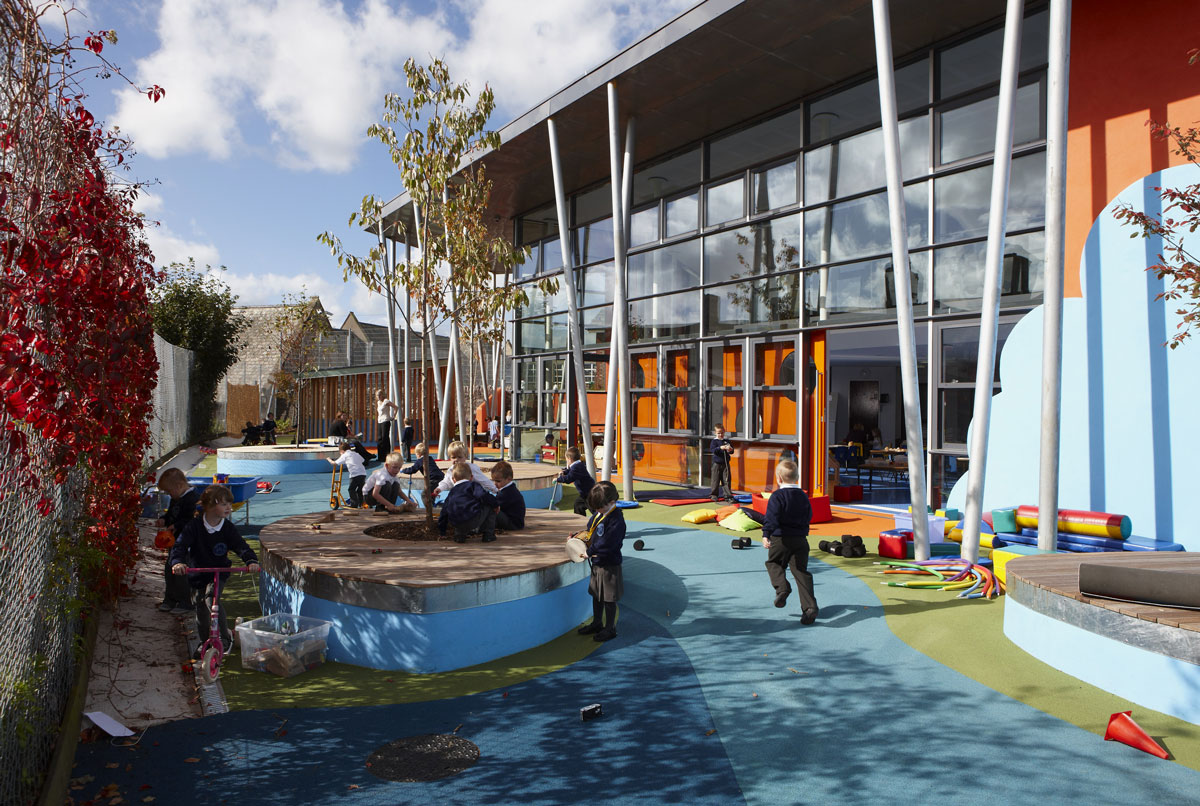
Ellacombe School in Torquay designed by Kay Elliott architects is an £0.6m structure funded by Torbay council | Commercial Photographer
Many customers seek us out to provide commercial photography services that include capturing their people, premises, designs, projects, interiors and products. Several projects listed in our architectural, interior, residential and installation portfolios could be described as commercial projects and may be of interest. We have also published a number of commercial photography blog posts including The Institute of Engineering and Technology in Savoy Place, London. Also the iconic Heathrow Airport Terminal 5, MAKO Derivatives, Broadgate, London, Putney High School Performing Arts Centre. And the famous Church Recording Studio in Crouch End, London used by Paul Epworth to record his award-winning work with Adele. You can always head back to our homepage to see who else we have worked with or contact us to tell us how we can help you
Get In Touch
Please leave your name and email below along with what you are looking for in the message box. Or you can call us on 0118 989 3749 and 07910 168536
Follow